Image by Andreas Gücklhorn via Unsplash
India’s transition from coal to clean energy is stalling due to resistance from state-run power distributors and other systemic hurdles, as reported by Reuters. Despite the central government’s ambitious targets, coal still accounts for 75% of power generation, while renewables like solar and wind contribute just 12%.
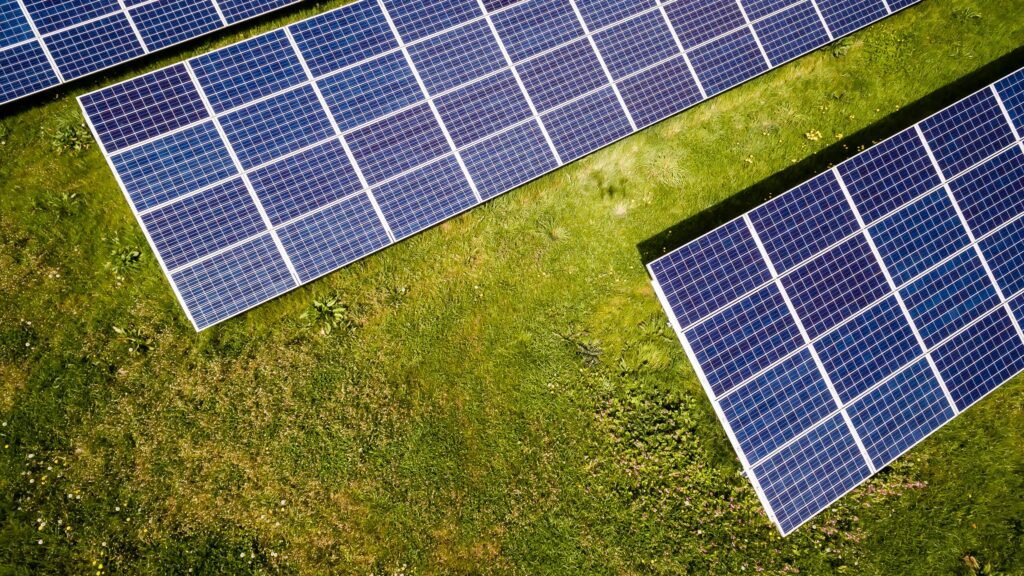
U.S. authorities have accused billionaire Gautam Adani of orchestrating a $265 million bribery scheme to secure solar power contracts after struggling to find buyers for a $6 billion project. Adani Group denies the allegations. However, this case underscores broader issues plaguing India’s renewable energy ambitions.
India missed its 2022 target to install 175 GW of renewable capacity and has now set its sights on 500 GW by 2030. To push states toward this goal, the government introduced Renewable Purchase Obligations (RPOs) in 2022, mandating that states double their renewable energy share to 43.3% by 2030. Yet, most states lack the infrastructure, transmission capacity, and preparedness to meet these goals, often opting for the reliability of fossil fuels over intermittent renewables.
The challenges are exemplified by Adani Green Energy, India’s largest renewable energy company, which needed over three years to secure buyers for its 8 GW solar capacity, awarded under a widely publicized 2019 tender. Delays stem from changes in policy, including the Solar Energy Corporation of India (SECI) dropping state-backed guarantees for power purchase agreements. SECI now has 30 GW of renewable projects awaiting buyers, highlighting the mismatch between ambitious targets and ground realities.
Experts warn that the Adani allegations could further dampen investor confidence, making it harder to secure low-cost foreign financing. Compounding the issue, it now takes 8–10 months to finalize power purchase agreements, compared to just three months for projects awarded between 2018 and 2020.
The rapid scaling of tenders and delays in securing buyers are creating bottlenecks. JM Financial reports that around 4%-5% of renewable projects are canceled due to transmission backlogs and execution challenges. SECI’s chairman noted that states are not responding quickly enough to the surge in renewable capacity, emphasizing the need to “create a demand pool” and sensitize states to renewable adoption.
To address delays, experts like Rakesh Nath, former chairman of India’s Central Electricity Authority, suggest involving potential buyers earlier in the bidding process. Understanding power demand before inviting bids could minimize roadblocks and accelerate progress.
India’s clean energy ambitions are significant, but without proactive measures to align state and federal efforts, the path to achieving its 2030 target will remain fraught with delays and missed opportunities.