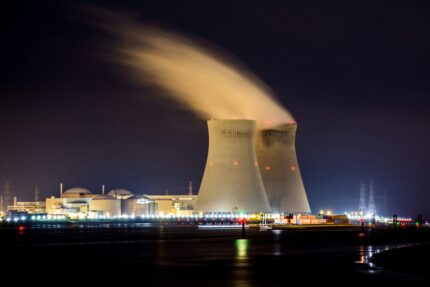
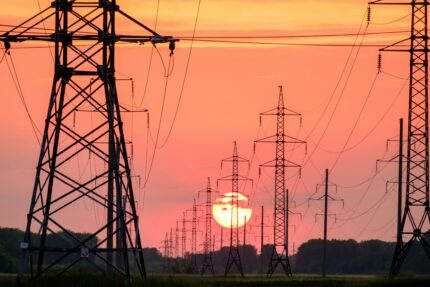
Image by Fré Sonneveld via Unsplash
Adani Power announced on Thursday its continued commitment to supplying electricity to Bangladesh, clarifying that a recent change in India’s power export regulations does not impact its existing agreement. The company emphasized that, while the government’s amendment facilitates grid connectivity within India, it does not obligate India to purchase electricity.
‘Adani Power is committed to fulfilling its contractual obligations as per the Bangladesh Power Development Board’s demand schedule and provisions of the power purchase agreement and looks forward to continuing reciprocal fulfilment,’ the company stated, expressing its intention to maintain a reciprocal relationship with Bangladesh.
The 1,600 MW Godda plant in Jharkhand, operated by Adani Power, is the sole facility in India contracted to export 100% of its electricity to a neighbouring country.
The amendment, which was published on the Power Ministry’s website on 14 August, allows plants that export all their power to neighbouring countries to connect to the domestic grid if there is a consistent reduction in offtake or if payment defaults occur.
Adani Power’s Godda plant, which sells its entire output to Bangladesh, has experienced payment delays, with arrears accumulating and now being settled with a delay of four to five months – a common occurrence in Bangladesh, according to the company’s disclosures during earnings conference calls.
This regulatory update comes against the backdrop of political instability in Bangladesh: former Prime Minister Sheikh Hasina fled to India in early August following deadly protests over government job quotas. Although an interim government is currently in place in Dhaka, the risk of ongoing political uncertainty remains. Despite the unrest, Bangladesh’s electricity demand increased by 7% during three weeks of nationwide protests, reaching an average of 316 million kilowatt-hours per day. This growth rate, while slower than the 10.1% increase recorded in the June quarter during intense heatwaves, was still faster than the 3.3% rise observed in the cooler March quarter.