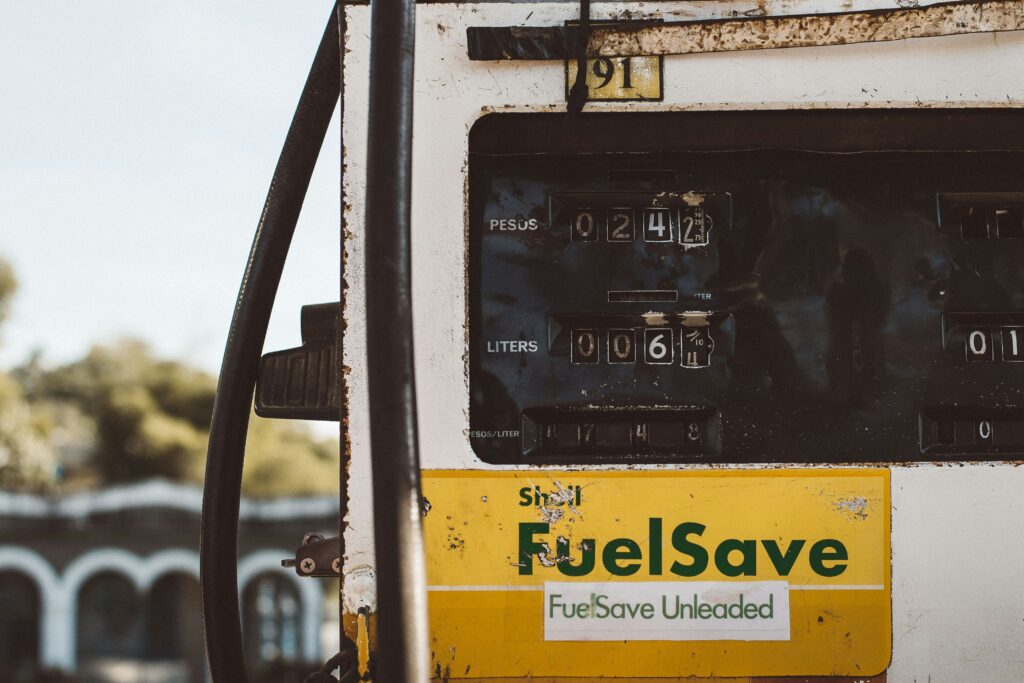
Big Oil is leaning on plastic production to counter falling demand for transport fuel, as electric and fuel-efficient cars leave energy companies with excess crude, The Wall Street Journal reported.
Transportation drives over half of global oil demand, but this dominance is waning. According to Ciaran Healy, an oil market analyst at the International Energy Agency (IEA), even without a surge in electric vehicle sales, advancements in fuel efficiency for internal combustion engines are reducing oil consumption. The IEA projects an oversupply of eight million barrels per day by 2030. To bridge the gap, energy companies are banking on consumers turning to oil-derived products like clothing, groceries, and electronics.
Energy companies are investing heavily in petrochemical production to diversify beyond fuel. In China, ethylene capacity has nearly doubled since 2019, while expansions are underway in the United States and the Middle East. Saudi Arabia alone plans to allocate $600 billion to petrochemical development by 2030, aiming to anchor its crude oil in nonfuel markets.
The global petrochemical sector is facing an oversupply, with production capacity expected to exceed demand through 2030. This imbalance is likely to result in slim profit margins and underutilised facilities across the industry.
The Wall Street Journal highlights the risks of investing in petrochemicals as the battle against plastic waste intensifies. Over 100 countries have implemented plastic restrictions, including the EU’s ban on single-use items. A global prohibition on single-use plastics could slash demand by up to a third, though certain items, like medical bags, may remain essential due to the lack of viable alternatives.
Rising plastic recycling rates could threaten the profitability of petrochemical investments by reducing demand for virgin materials. For now, however, oil producers remain relatively secure, as just 10% of plastic is recycled globally, leaving newly produced plastic as the most economical choice.
Facing a gradual decline in its dominance over road transport, the oil industry is seeking refuge in the oversaturated and inefficient petrochemicals market — a gamble fraught with significant risks.