Image: frame harirak via Unsplash
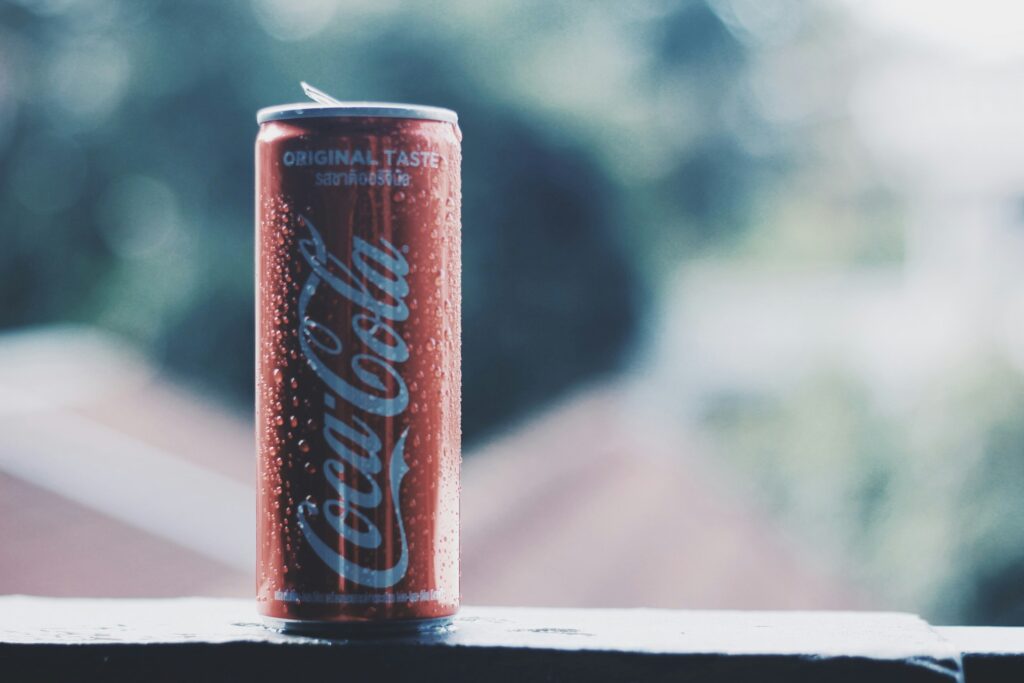
Coca-Cola may increase its use of plastic packaging due to the rising cost of aluminium, driven by tariffs imposed under President Donald Trump’s administration, The Washington Post reported, citing the company’s CEO, James Quincey.
During an earnings call on 11 February, Quincey addressed concerns about the effects of Trump’s 25% tariff on imported aluminium. He emphasised that Coca-Cola had alternative packaging options that could help maintain affordability and meet consumer demand, enabling the company to remain competitive.
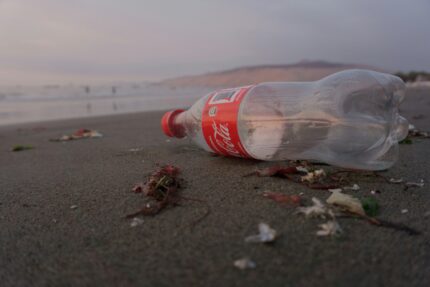
Quincey highlighted the company’s flexibility in response to rising aluminium costs, stating, ‘For example, if aluminum cans become more expensive, we can put more emphasis on PET bottles.’ He was referring to polyethylene terephthalate, a widely used plastic found in single-use bottles and food packaging.
A study published in April revealed that Coca-Cola was responsible for 11% of the world’s branded plastic waste, making it one of the largest contributors to global plastic pollution.
In December, Coca-Cola shifted its environmental strategy, moving away from its previous commitments to reducing and reusing plastic. Instead, the company announced revised climate goals prioritising the increased use of recycled materials over cutting virgin and single-use plastic consumption.
Emma Priestland, global coordinator of corporate campaigns for the human rights organisation Free from Plastic, suggested that, rather than turning to plastic, Coca-Cola should focus on expanding its investment in reusable glass bottles as a more sustainable way to counterbalance the financial impact of aluminium tariffs.
On 10 February, Trump signed executive orders implementing a 25% tariff on imported steel and aluminium, aiming to boost domestic production and create jobs within the US steel industry.
While experts caution that the steel tariffs will likely impact both consumers and US manufacturers – an analysis by the non-partisan Peterson Institute for International Economics in 2018 found that similar tariffs during Trump’s first term led to job creation but also harmed numerous American businesses – Quincey reassured investors that Coca-Cola’s financial performance would remain stable despite these challenges.
He acknowledged that a 25% price hike would have some impact but downplayed its overall effect, stating that such a price increase was ‘not insignificant, but [that it was] not going to radically change a multibillion-dollar U.S. business’.