Image: Brian Yurasits via Unsplash
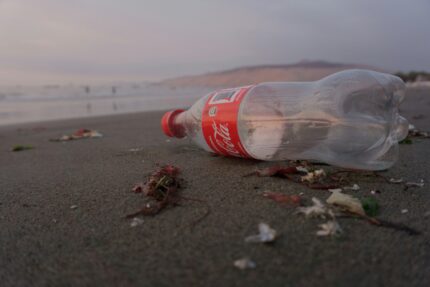
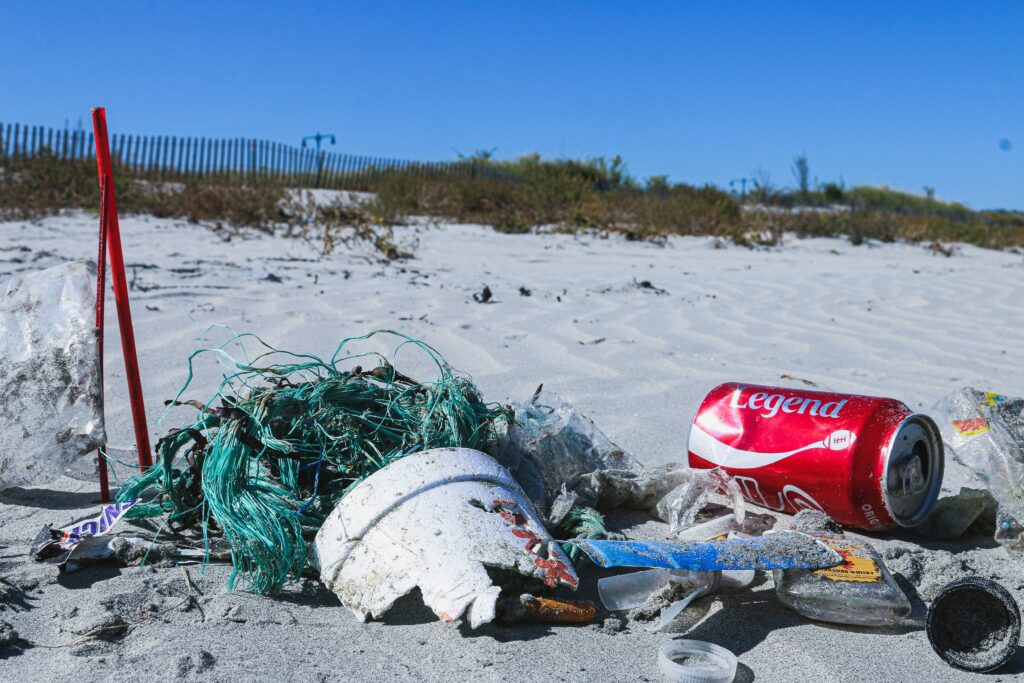
Coca-Cola is on track to generate around 602 million kilograms of plastic waste annually by 2030, polluting the world’s oceans and waterways, according to a stark new analysis by the non-profit Oceana. That volume of plastic is enough to fill the stomachs of 18 million whales, The Guardian reported.
The report comes at a time of growing alarm over the potential health dangers posed by microplastics, which scientists are increasingly associating with serious conditions such as cancer, infertility, and cardiovascular disease.
According to a 2024 study published in Science Advances, Coca-Cola is the leading global source of branded plastic pollution, with PepsiCo, Nestlé, Danone, and Altria trailing close behind.
Oceana arrived at its estimate by analysing Coca-Cola’s publicly disclosed packaging figures from 2018 to 2023 and projecting them forward using expected sales growth trends. Under this business-as-usual scenario, the company’s annual plastic consumption is set to surpass 4.13 million tonnes by 2030.
To determine how much of Coca-Cola’s plastic waste could end up in oceans and waterways, researchers used a peer-reviewed methodology developed by a global team of scientists and published in Science in 2020. Applying this model, they calculated that nearly 602 million kilograms of plastic – roughly the same as 220 billion half-litre bottles – could pollute aquatic ecosystems each year.
Oceana identifies reusable packaging – such as returnable glass bottles or sturdy PET containers – as a crucial solution for reducing plastic waste. Coca-Cola itself acknowledged in 2022 that reusables are ‘one of the most effective ways to reduce waste’ and pledged to make 25% of its packaging reusable by 2030. However, that commitment was noticeably absent from the company’s December 2024 sustainability roadmap, which shifted focus towards recycling and waste collection, citing obstacles related to reuse logistics and changing consumer habits.
There are still grounds for optimism: Coca-Cola has successfully implemented large-scale refillable-bottle programmes in several countries, including Brazil, Germany, Nigeria, and even regions of the United States, such as southern Texas.