Image by Jordi Orts Segalés via Unsplash
Egypt aims to return its natural gas fields to full production by next summer, Prime Minister Mostafa Madbouly announced on Thursday, according to a report by Reuters. The announcement signals that the government is working to resolve its outstanding debts to production companies.
Speaking at a press conference, Madbouly noted that production had decreased due to accumulated arrears but did not disclose the total amount owed or provide a specific timeline for repayment. Earlier reports indicated that Egypt had earmarked up to $1.5 billion for payments to foreign oil and gas companies operating within the country. These debts accumulated during a prolonged foreign currency shortage, which has now begun to ease.
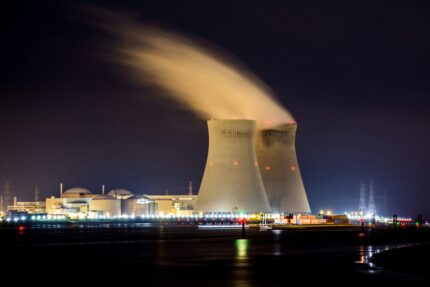
Egypt has been struggling with power shortages, particularly during the summer months when demand for cooling systems peaks. The country, which generates most of its electricity from natural gas, temporarily halted load-shedding power cuts in July following the arrival of natural gas shipments.
Madbouly assured the public that “electricity load-shedding cuts won’t return”, adding that the government has allocated $2.5 billion to ensure a stable power supply.
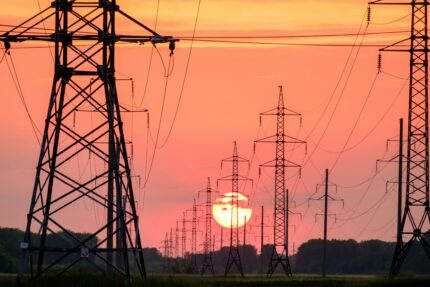
In addition, Madbouly confirmed that the first phase of an Egypt–Saudi power grid connection is scheduled to be operational by the summer of 2025. The $1.8 billion electricity interconnection project, which was 60 per cent complete as of July 2024, aims to facilitate the exchange of up to 3,000 MW of power between the two countries by early 2026. The project includes the construction of three high-voltage transformer stations – two in Saudi Arabia and one in Egypt – and the installation of 1,350 kilometres of overhead lines and marine cables.
Although Egypt has not imported liquefied natural gas since 2018, the country’s natural gas reserves have dwindled in recent years due to increasing power demand driven by population growth and urban development. Madbouly stated that the government plans to meet the energy demands of future summers by investing in renewable energy sources.