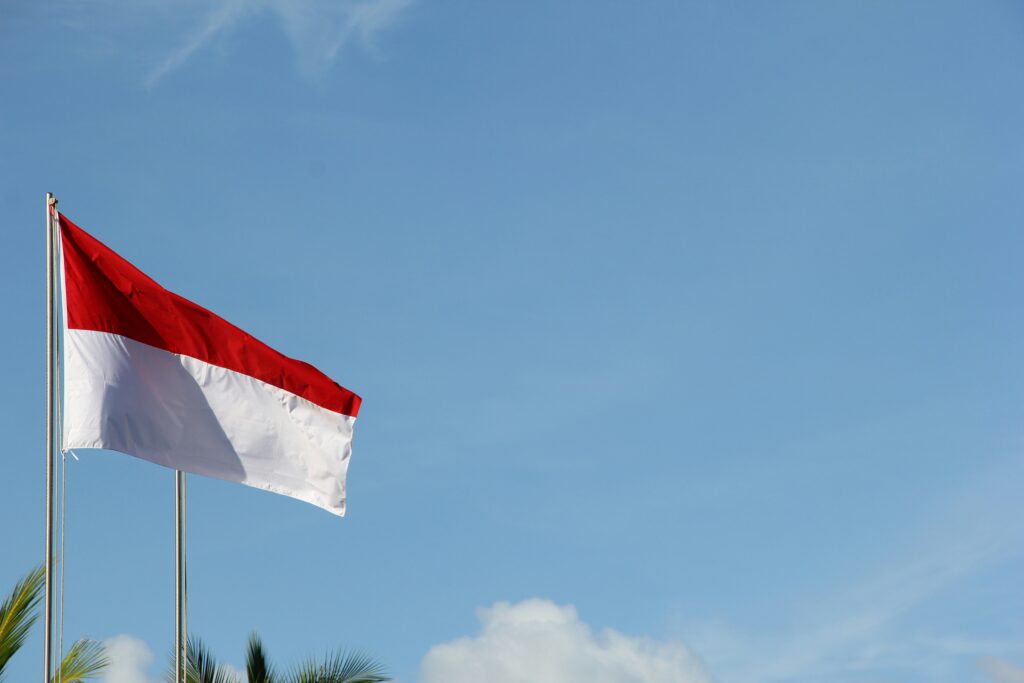
Photo by Nick Agus Arya via Unplash
Indonesia is set to witness a 29% increase in oil and gas investments in 2024, as announced by Dwi Soetjipto, chairman of the oil and gas regulator SKK Migas, during the Future Energy Asia conference. This push aims to accelerate drilling and exploration activities following the recent exits of global industry giants Shell and Chevron.
The Southeast Asian nation, rich in natural resources, is prioritizing these investments to combat a prolonged decline in output and address growing financial challenges in fossil fuel projects. Of the anticipated investments for the year, 40% will come from foreign companies such as Eni, Exxon Mobil, and BP.
The total investment is expected to reach $17 billion, more than double the 13% growth seen in 2023. “We will increase drilling from last year, when we drilled 790 wells. This year, we are planning about 930 wells,” Soetjipto stated. He also mentioned that exploration spending will rise to $1.4 billion from $0.9 billion in the previous year. These funds will support projects set to begin production later this decade.
Decarbonization requirements pose significant challenges, as most investment funding comes from foreign banks, with no immediate returns on investments in carbon capture. Despite these hurdles, the Indonesian government aims to increase oil production to one million barrels per day and gas production to 12 billion standard cubic feet per day by 2030.
Soetjipto projected a slight decrease in annual oil lifting volumes to around 600,000 barrels per day (bpd) in 2024, down from 605,000 bpd last year. However, this is still higher than the earlier forecast of 596,000 bpd. On the other hand, natural gas lifting is expected to rise by nearly 8% to approximately 5,700 million standard cubic feet per day (mmscfd) in 2024, up from 5,300 mmscfd in 2023.
The development of new gas projects in Indonesia has faced delays due to changes in project shareholders, the COVID-19 pandemic, and the integration of carbon capture technology. The improved natural gas output forecast can be attributed to new projects that have recently commenced production. A final investment decision for the delayed Geng North field is anticipated “in the middle of this year,” Soetjipto added.