During Kazakh President Kassym-Jomart Tokayev’s visit to Ankara on 30 July, he and Turkish President Recep Tayyip Erdoğan discussed boosting Kazakhstan’s oil exports via the Baku-Tbilisi-Ceyhan (BTC) pipeline, Reuters reported.
They met under the framework of the High-Level Strategic Cooperation Council. The energy talks focused on increasing export volumes. Delegations noted ‘prospects for increasing exports via the BTC pipeline.’ They also discussed cooperation in power generation, agriculture and mining.
In the first half of 2025, Kazakhstan increased shipments through the BTC pipeline by 12% year-on-year to approximately 785,000 tonnes – equivalent to around 34,000 barrels per day. However, further growth would require upgrades to the Aktau port and compliance with the BTC pipeline’s stringent crude quality standards.
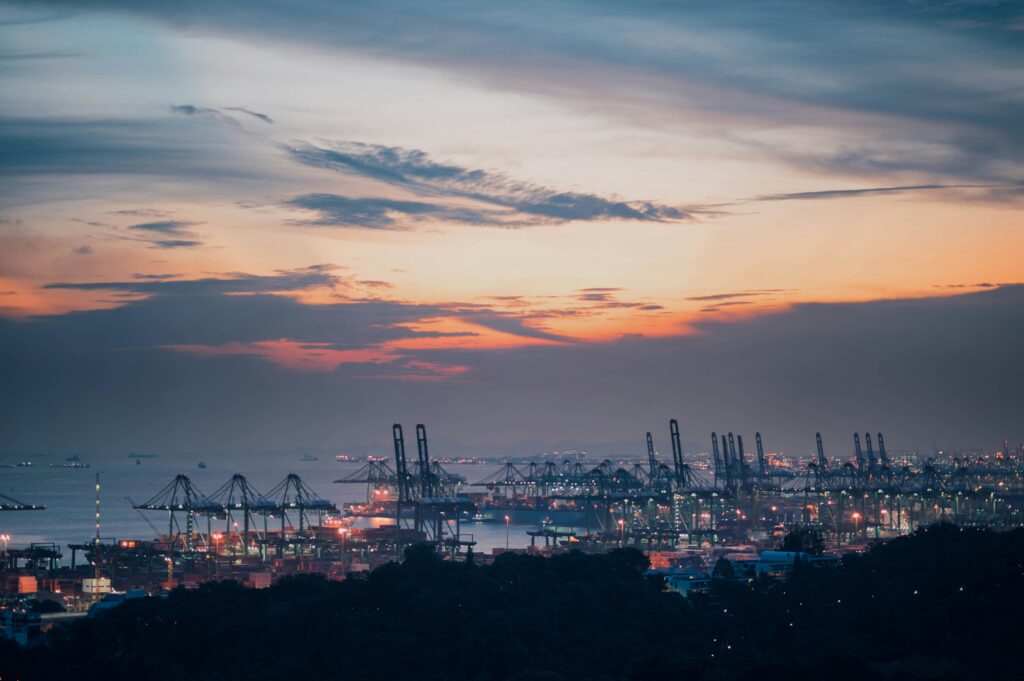
Kazakhstan – the world’s largest landlocked country – transports oil to Baku by tanker across the Caspian Sea from the port of Aktau. To support higher volumes, both port infrastructure and marine logistics would require modernisation. Kazakhstan’s development plan through 2029 includes the potential construction of a trans-Caspian pipeline and the expansion of marine terminals on the Kazakh and Azerbaijani shores.
Kazakhstan’s growing interest in the BTC route also reflects its broader strategy to attract foreign investment into upstream and midstream oil infrastructure. The country continues to promote new exploration initiatives and modernisation of export facilities as part of its long-term energy security policy. Strengthening ties with Turkey – a key transit and geopolitical partner – supports this goal by providing alternative access to Mediterranean and European markets.
Meanwhile, BTC operator BP is managing an organic-chloride contamination incident at the Ceyhan terminal. Testing of crude arriving since 22 July has delayed several cargo loadings. BP and Azerbaijan’s state oil company SOCAR (State Oil Company of the Azerbaijan Republic) are working to manage off-spec oil while export operations continue, with six cargoes shipped since the contamination was first detected.