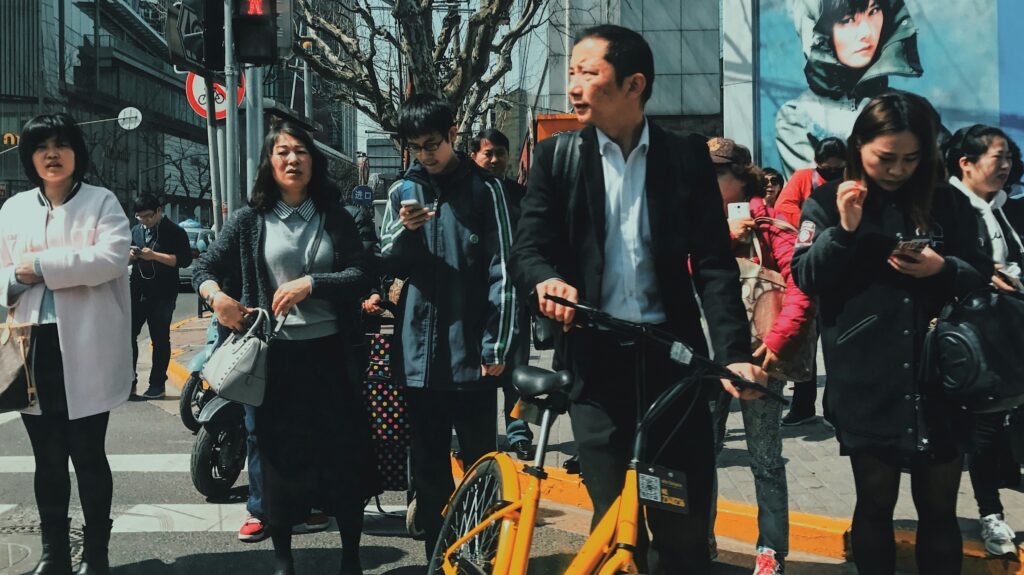
China’s middle class is experiencing rising levels of stress, leading to a surge in demand for psychological counseling services, South China Morning Post reported citing industry insiders and survey data.
Professionals note that concerns about economic and social status are impacting interpersonal relationships, fueling the need for licensed counseling.
The World Health Organization estimates that 54 million people in China suffer from depression and 41 million from anxiety disorders. Health authorities have implemented initiatives in recent years to address this issue.
According to SCMP, data from Qcc.com, a corporate credit information provider, reveals a tenfold increase in counseling institutions in China from 2011 to 2020, with a 60% year-on-year rise in 2022 alone, reaching 30,700.
Experts predict the next two years may see peak anxiety among Chinese families, driven by post-pandemic economic uncertainties.
Anxiety, a sense of meaninglessness, and depression were the most common psychological issues reported in a recent mental health survey of 40,000 individuals.
The survey, part of the 2023-2024 Mental Health and Industry Population Insight Report by Jiandanxinli.com and the CBNData Business Data Center, found that annual counseling expenditures averaged 6,500 yuan ($898) per person, with 90% of clients holding a bachelor’s degree or higher.
The rise in demand for counseling has also sparked interest in therapy as a career, particularly among individuals aged 30 to 40. Over 30% of beginner counselors are aged 20 to 29, and 51.6% are aged 30 to 39.
The counseling industry is leveraging digital technology to meet growing demand, with an increasing focus on remote counseling services. Overseas professionals have an edge in the Chinese market due to the Western origin of psychological counseling systems and training methods, although adjustments for cultural differences are necessary for effective implementation.