


Image by Jonathan Hanna via Unsplash
Nigeria’s electricity generation has seen a significant boost, increasing by 30% this week and reaching a peak of nearly 6,000 megawatts, according to Reuters. This surge comes as the country continues efforts to modernise its power infrastructure, addressing longstanding challenges in transmission and distribution.
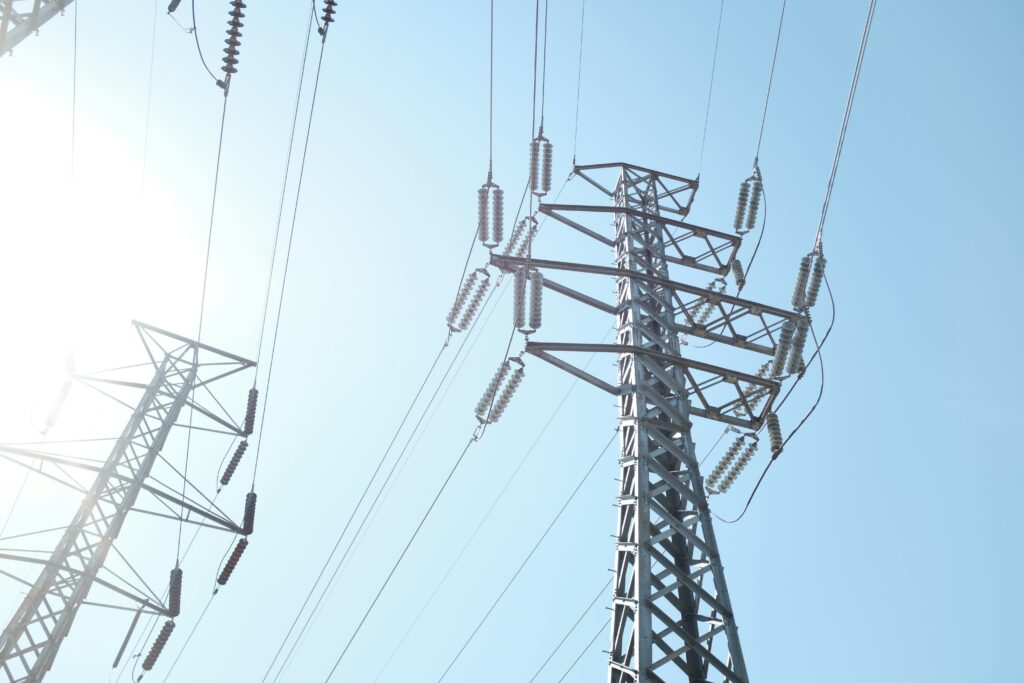
The ongoing upgrades involve rehabilitating and expanding transmission lines, enhancing distribution networks, and incorporating new technologies. Additionally, policy reforms aimed at improving efficiency and accountability have played a role in strengthening the sector.
Despite having the capacity to produce 13,000 megawatts, Nigeria’s outdated grid covers only half the country and has historically limited actual supply to just a third of its capacity. This shortfall has forced businesses and households to depend on expensive backup generators to meet their energy needs.
Sule Abdulaziz, Managing Director of the Transmission Company of Nigeria (TCN), highlighted recent progress, stating that the agency had installed 66 new power transformers and constructed new substations and transmission lines.
A partnership with Siemens, launched in 2019 and backed by German financial institutions, initially aimed to raise reliable electricity output to 7,000 megawatts by 2021 and 11,000 megawatts by 2023. However, regulatory hurdles, logistical setbacks, and funding delays have slowed its implementation.
Despite these challenges, Abdulaziz confirmed that the Federal Executive Council had greenlit the next phase of the Siemens project, which includes strengthening seven existing transmission substations. During the pilot phase, six projects added an extra 335 megawatts of capacity, and upon full completion, 15 aging substations will be rehabilitated while 22 new ones will be constructed.
Beyond the Siemens initiative, grid enhancements are also being supported through government funding and contributions from international financial bodies such as the World Bank and the African Development Bank (AfDB). In January, Nigeria secured $1.1 billion from the AfDB for power sector improvements, alongside a newly announced $192 million investment over five years to boost transmission capacity.
Electricity generation hit a record 5,801.84 megawatts on Tuesday, with output slightly lower at 5,590 megawatts by Thursday. Government officials remain optimistic about surpassing 10,000 megawatts by the end of next year.
According to the Ministry of Power, a key factor in these recent advancements has been a tariff revision, which has bolstered liquidity in the sector, fostering a more sustainable and investment-friendly environment for future development.