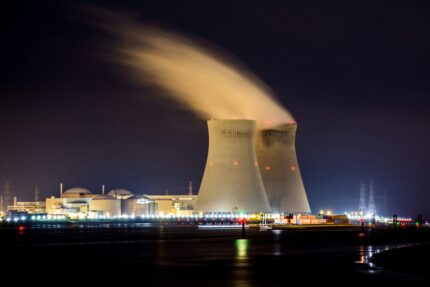
Image by Dominic Kurniawan Suryaputra via Unsplash
China’s consumption of oil is anticipated to reach its highest point by 2027, according to Sinopec, the nation’s largest oil refiner, as reported by Reuters. Declining consumption of diesel and gasoline in the world’s leading oil-importing country has caused significant ripples in global oil markets throughout this year.
Sinopec projects that oil demand will cap at approximately 800 million metric tonnes, equivalent to 16 million barrels per day, by 2027. This aligns with its previous forecast of peak demand occurring between 2026 and 2030 at the same level.
The energy landscape in China could face heightened challenges in 2025 due to political developments in the United States, notably the return of Donald Trump as President. Wang Pei, deputy general manager of Sinopec’s Economics and Development Research Institute, warned that renewed trade conflicts and potential disruptions to Iranian oil exports may ensue under Trump’s administration. Currently, Iran exports about 1.5 million barrels of oil daily, primarily to China.
She also suggested that Trump’s leadership might de-escalate tensions in regions such as Ukraine and the Middle East, potentially stabilising oil prices.
A shift towards alternative energy sources, such as electric vehicles (EVs) and liquefied natural gas (LNG)-powered trucks, has accelerated China’s move towards reduced reliance on crude oil. Analysts speculate that imports could begin to decline as early as 2025. Current projections suggest China’s oil demand will hit 800 million metric tonnes at its peak, compared to 750 million tonnes expected in 2024 – a 10 million-tonne drop from the previous year and the second decline in two decades.
LNG and EV adoption are set to shift oil consumption patterns, with the petrochemical sector becoming the largest consumer by 2060, accounting for 55% of total demand. In 2024, the transport sector holds a more significant share at 22%.
Diesel usage is forecast to fall by 5.5% to 174 million tonnes in 2025, driven by the increasing adoption of LNG-powered trucks, which represented 22% of truck sales in the first nine months of 2024. Gasoline demand is projected to dip 2.4% to 173 million tonnes, with EVs dislacing approximately 26 million tonnes, or 15%, of gasoline consumption.
In contrast, aviation fuel demand is expected to grow by 7% next year, reaching 45.5 million tonnes.
On the natural gas front, Sinopec adjusted its forecast, anticipating an earlier but higher peak than previously estimated. Consumption is expected to reach 570 billion cubic metres (bcm) by 2030, plateauing at about 620 bcm between 2035 and 2040, up from last year’s prediction of a 610 bcm plateau around 2040. By 2025, consumption is projected at 458 bcm, a 6.6% rise attributed to increased LNG usage in trucking, expanded gas-fired power capacity, and robust industrial and residential demand.
Sinopec has also revised its projections for China’s energy-related carbon emissions, now estimating a peak of 10.8 to 11.12 billion tonnes before 2030, compared to last year’s forecast of 10.1 billion tonnes between 2026 and 2030.
(1 metric tonne = 7.3 barrels)