South Africa’s Cabinet has approved the South Africa Renewable Energy Masterplan (SAREM), which is aimed at enhancing energy security and driving industrial growth, The Electricity Hub reported.
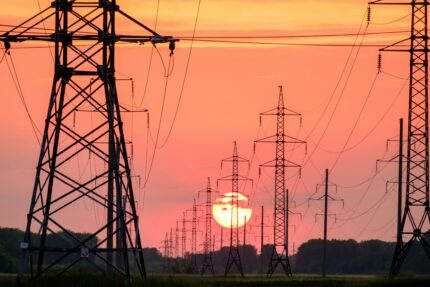
The plan charts a clear path for scaling renewable energy and battery storage, while also addressing gaps in local capacity, infrastructure, and investment, as South Africa pursues ambitious plans to expand its clean energy sector with a strong focus on grid reliability.
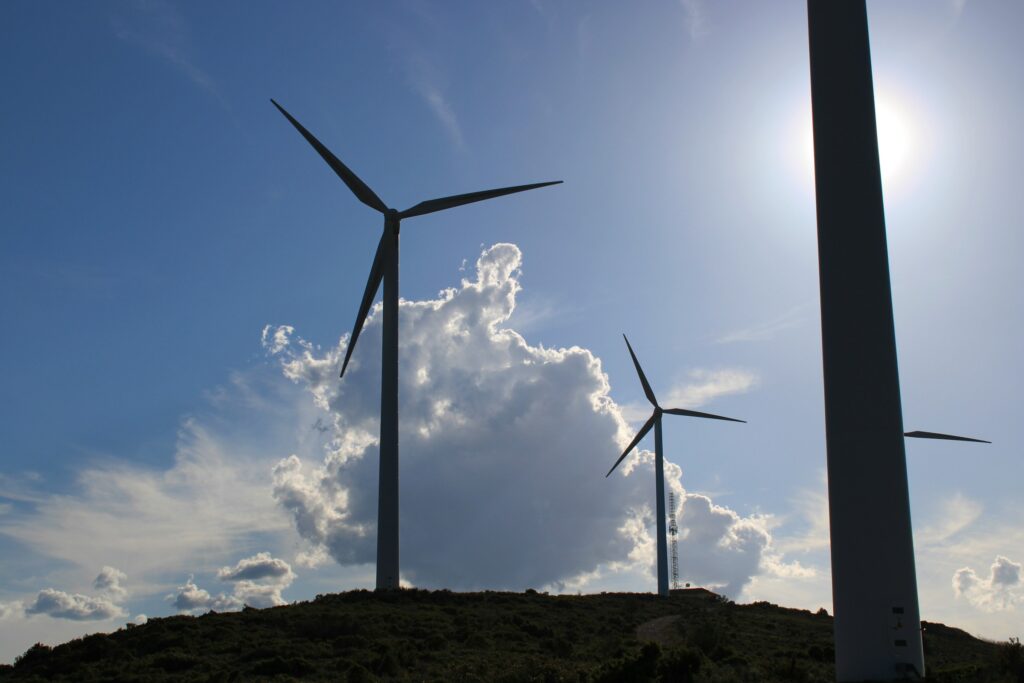
The country’s Integrated Resource Plan, updated in 2023, targets the addition of 29.5 GW of new capacity by 2030, primarily from wind (14.4 GW) and solar (6 GW). To help meet these goals, the SAREM seeks to capitalise on rising demand for clean power and storage solutions.
The strategy prioritises the deployment of technologies such as solar and wind, alongside lithium-ion and vanadium-based battery systems, positioning the energy transition as a driver of broader industrial development.
The SAREM also aims to foster growth by strengthening value chain partnerships, implementing targeted training programmes, and addressing regulatory barriers. The Cabinet has called for additional measures to attract investment, including support for green hydrogen development to meet the 2030 goal of 5% blended fuel in the aviation and maritime sectors.
The masterplan is expected to accelerate South Africa’s renewable energy momentum and reinforce its position as a continental leader – an outlook echoed by the African Energy Chamber’s State of African Energy 2025, which names South Africa and Egypt as the region’s frontrunners.
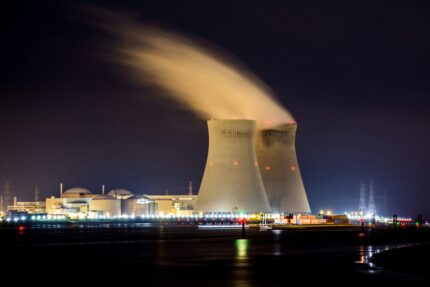
Of the 500 GW of renewable capacity currently in the conceptual stage across Africa, approximately 80% is concentrated in North Africa and South Africa, the latter also being a prominent player in nuclear power generation.
African Energy Week 2025, scheduled for 29 September to 3 October, will explore how the SAREM could reshape the nation’s energy landscape. The event will bring together African leaders, investors, and energy stakeholders to accelerate investment and support the continent’s efforts to eliminate energy poverty.