


Image: Nick Fewings via Unsplash
The UK’s new packaging recycling policy, the Extended Producer Responsibility (EPR) scheme, is due to launch this autumn, The i Paper reported.
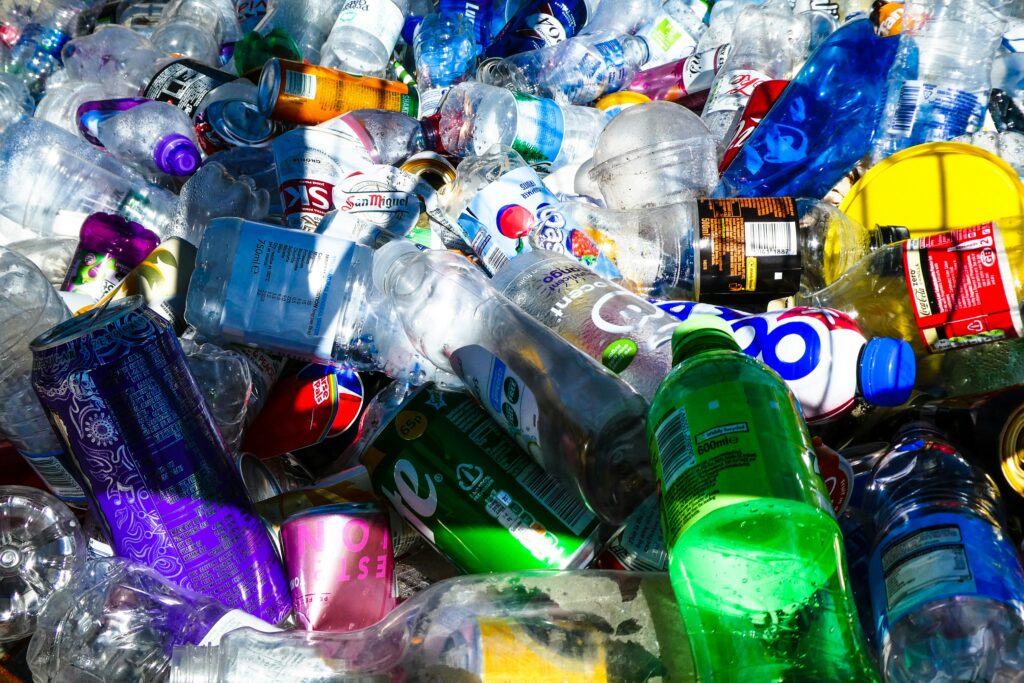
Under the EPR scheme, producers and retailers will face environmental charges based on the weight of their packaging, not the number of items. Critics warn this could push companies to choose lighter, less recyclable plastics over heavier materials like glass and paper to reduce costs.
Current estimates show that companies would be taxed around 6.4 pence for a single 330ml glass bottle, while they would face no extra charges for plastic bottles and aluminium cans. This imbalance could drive the drinks industry to move away from glass in favour of cheaper, lighter packaging, likely increasing plastic use and waste.
First proposed in 2018 by then–Environment Secretary Michael Gove under a ‘polluter pays’ approach, the policy faced delays under the Conservative government amid inflation and cost-of-living concerns. It was finally approved by the Labour government in December 2024.
The EPR will apply to businesses with annual revenues over £1 million and handling more than 25 tonnes of packaging. However, only “large producers” – those earning over £2 million and managing at least 50 tonnes – will be required to pay the new levies.
Although most retailers haven’t spoken out publicly, many are reportedly worried about the financial impact. The British Retail Consortium estimates the scheme could cost the industry around £2 billion a year – an expense likely to be passed on to consumers.
From the scheme’s second year, the Department for Environment, Food and Rural Affairs plans to introduce fee discounts based on material type. The goal is to reward companies for using recyclable materials like glass and to apply higher charges for the use of unrecyclable plastics.
Despite aiming to reduce waste, the EPR’s current design could have unintended effects, potentially leading to more plastic use and undermining the UK’s efforts to achieve environmental targets.