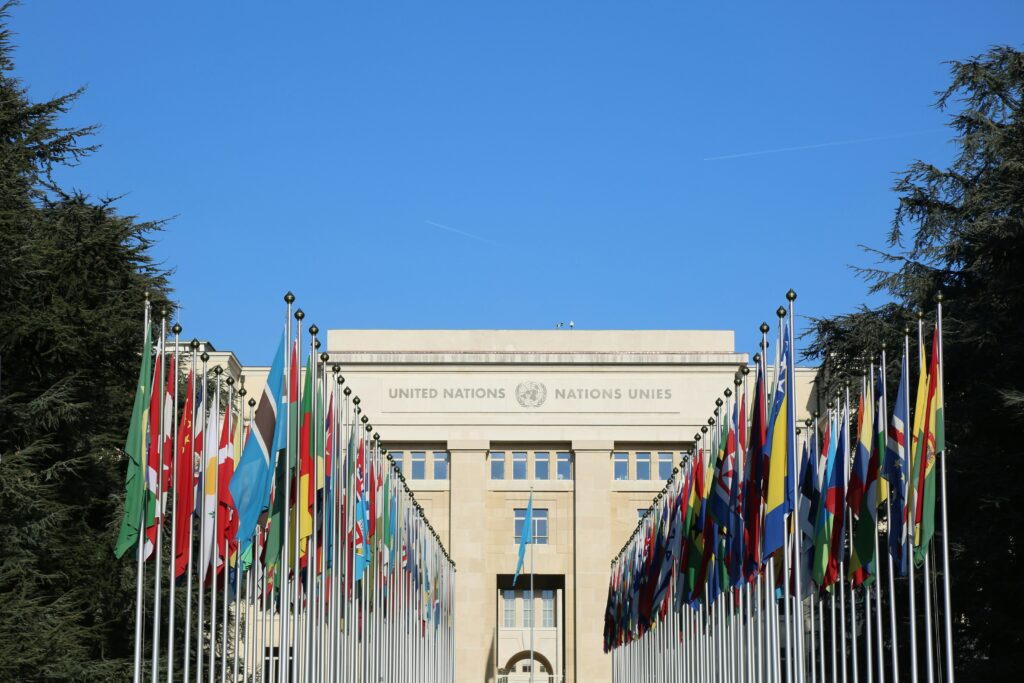
UN talks at the third Ocean Conference (UNOC3), co-hosted by France and Costa Rica in Nice, drew unprecedented political and investor attention but failed to deliver concrete progress on critical environmental and financial fronts, reported Reuters.
The summit saw a wave of pledges concerning marine protected areas (MPAs), particularly from Pacific nations and countries such as Colombia, French Polynesia and Ghana. However, the final political declaration excluded any mention of fossil fuels or bottom trawling, two of the leading causes of ocean degradation.
Despite a legal ruling by the International Tribunal for the Law of the Sea classifying CO₂ emissions as marine pollution, delegates avoided binding commitments on emissions and destructive fishing practices.
In Europe, the EU’s new Ocean Pact outlines an ‘aspirational’ goal to phase out bottom trawling in MPAs by 2030 but offers no enforcement measures.
France’s pledges were criticised as largely symbolic, while the United Kingdom launched a limited consultation on offshore trawling bans. French Polynesia, in contrast, announced full protection of its 4.5 million sq km exclusive economic zone, with stricter rules in a quarter of that area.
Funding remains a core challenge. Protecting 30% of the planet’s oceans by 2030 is projected to cost $15.8 billion annually, yet only $1.2 billion is currently being spent. The Blue Economy Finance Forum raised $8.7 billion in pledges, and initiatives such as the Ocean Risk and Resilience Action Alliance and the Wildlife Conservation Society continue to mobilise further resources.
The conference also highlighted new financing tools, including Indonesia’s coral reef bond – the first of its kind – linking investor returns to reef health. Meanwhile, public banks and philanthropic organisations pledged more support for small island nations and high seas conservation.
Despite calls from Brazil and France to prioritise oceans in COP30 climate strategies, Brazil’s approval of new offshore oil exploration raised doubts. With 50 out of the 60 required countries having ratified the UN’s high seas treaty, the next few months will determine whether UNOC3 leads to meaningful change – or becomes yet another missed opportunity.