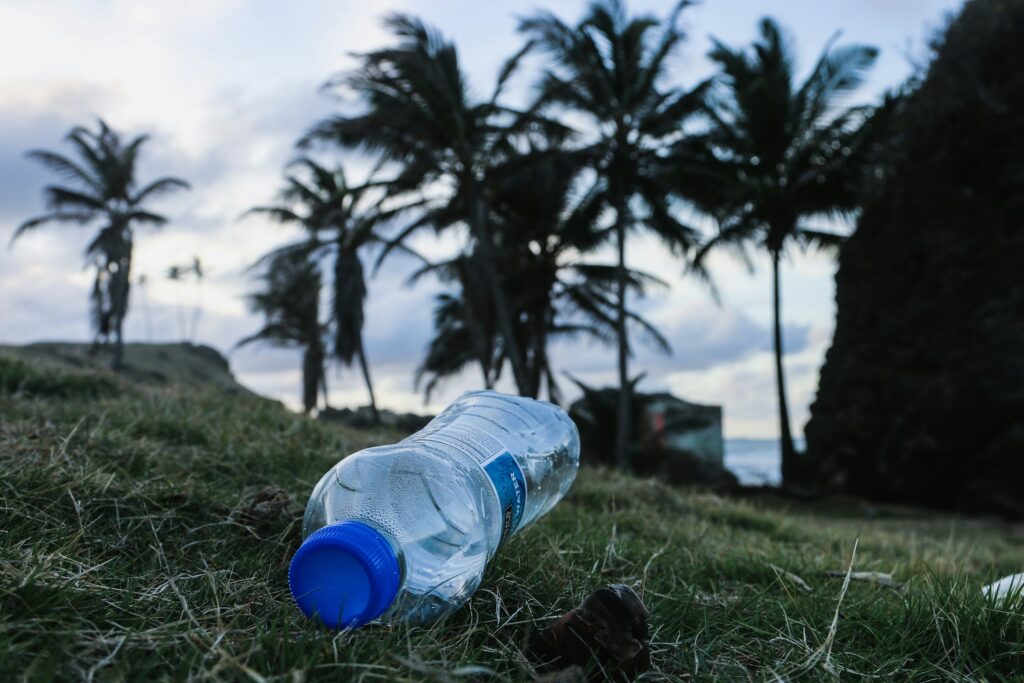
Image: Brian Yurasits via Unsplash
Microplastics have infiltrated nearly every aspect of our lives. These tiny plastic particles have even been detected in the human body, raising concerns about their impact on health. Although it is impossible to abandon plastic completely, there are practical steps recommended by Bloomberg that you can take to reduce its impact.
Reduce Your Plastic Use
Minimizing plastic usage is one of the most effective ways to limit microplastic exposure. For instance, switching from bottled to tap water can make a significant difference. Studies show that a one-litre bottle of water contains an average of 240,000 plastic fragments, whereas tap water generally has far fewer particles.
Avoid Plastic in the Kitchen
Many common kitchen items, such as food storage containers, cutting boards, and utensils, are made of plastic, which can degrade and release particles, especially when exposed to heat. Replacing plastic items with alternatives like glass, stainless steel, and wood can reduce exposure.
“Absolutely, absolutely don’t microwave food in plastic,” advises endocrinologist Gillian Goddard. Opt for tempered glass, such as Pyrex, when heating food.
Goddard also suggests hand-washing plastic items, as dishwashers’ heat and abrasion can increase particle shedding. She recommends discarding damaged plastic items and avoiding reusing single-use plastics for food storage.
Opt for Natural Fibre Clothing
Clothes made from synthetic materials can release microplastics during washing and drying. Choosing natural fibres like wool, cotton, and linen can help reduce this exposure. For synthetic fabrics, washing full loads in cold water and air drying can minimize fibre shedding.
Maintain Clean Air
Microplastics can also be found in the air we breathe, originating from sources like vehicle emissions and ocean spray. To reduce indoor exposure, use a HEPA filter. Outdoors, a quality face mask can help minimize inhalation. Also, Dr Sheela Satyanarayana, a paediatrics professor at the University of Washington, suggests removing shoes indoors to limit dust and particles.
Broader Challenges
Despite individual efforts, the pervasive nature of plastic means no single action can eliminate microplastics from our lives. Addressing the global plastic crisis will ultimately require systemic change. The UN’s Intergovernmental Committee on Plastic Pollution is working on a legally binding treaty to tackle this issue, though disagreements persist among countries over the extent of plastic production cuts.