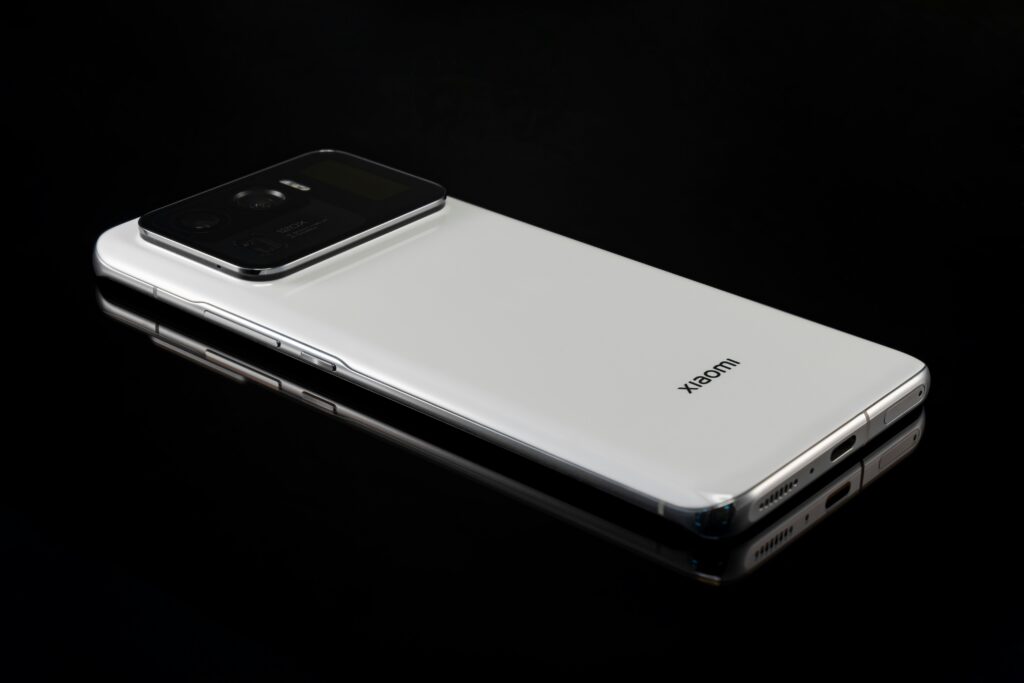
Xiaomi’s market value surpassed HK$1 trillion (US$128.4 billion) for the first time after its shares hit an all-time high, as the company capitalised on its expansion into electric vehicle (EV) manufacturing, South China Morning Post reported.
The stock climbed as much as 5.7% to HK$40.10 in Hong Kong on Tuesday, pushing its market capitalisation past the trillion-dollar mark before settling at HK$39.55, valuing the company at HK$992.9 billion. The Hang Seng Index also saw a 2.8% jump amid hopes of easing trade tensions.
The company’s latest filing from January 13 reported 20.59 billion Class B shares listed on the Hong Kong Stock Exchange. Additionally, founder Lei Jun holds 4.52 billion unlisted Class A shares, each carrying 10 votes and convertible into Class B shares on a one-for-one basis. According to Kenny Ng, a strategist at Everbright Securities International, Xiaomi’s stock price reflects strong fundamentals, with positive investment sentiment expected to sustain its upward momentum in the short term.
The rally comes amid strong confidence in Xiaomi’s EV business, which has remained resilient despite rising US-China trade tensions. As the world’s two largest economies prepare for another round of tariffs on exports, Xiaomi remains largely unaffected, generating most of its revenue domestically, with only 3% coming from the US, according to Morningstar.
Xiaomi’s total revenue surged 31% year-on-year in the third quarter of last year, reaching 92.5 billion yuan (US$12.8 billion), exceeding market expectations. Its EV division contributed 9.7 billion yuan, driven by 39,790 deliveries of the SU7 model as showroom traffic increased and order backlogs grew. Demand for Xiaomi’s latest vehicles is expected to remain high, potentially leading to supply shortages in 2025, according to Wang Bin, head of auto research for Asia at Deutsche Bank.
To meet growing demand, Xiaomi is expanding its EV lineup this year with the SU7 Ultra and YU7 models. However, delivery volumes in 2025 will depend on supply chain constraints. The company currently operates one manufacturing plant in Beijing’s Yizhuang economic development zone with an annual production capacity of 150,000 vehicles. A second facility, expected to be completed by June, will support the YU7 roll-out. Wang noted that the company’s 300,000-unit 2025 delivery target could see an upside surprise.
Senior equity analyst Dan Baker from Morningstar highlighted that Xiaomi’s 2025 target of 300,000 vehicles is within reach, given the company’s strong production pace in November and December. Additionally, concerns over tariffs have not been as severe as initially expected, limiting potential risks.
Xiaomi first went public in July 2018, pricing shares at HK$17 per unit amid the first US-China trade war. The stock had a sluggish debut, closing at HK$16.80. However, over the past five years, Xiaomi’s market value has surged 215%, according to Bloomberg data, while the Hang Seng Index declined 22% over the same period, reflecting the company’s remarkable growth and resilience.